
The exhibition
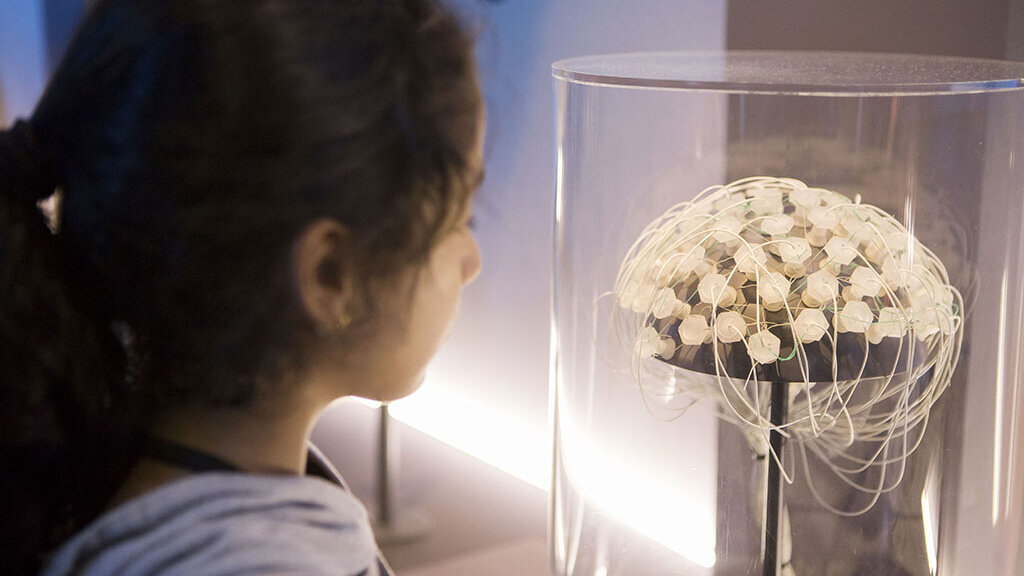
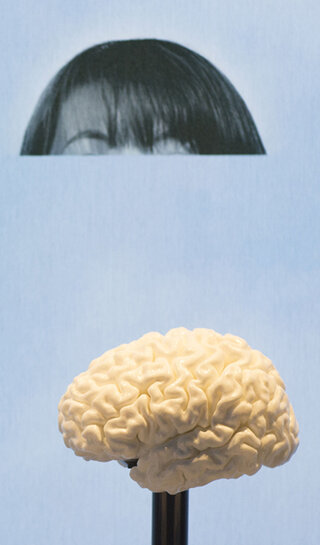
Organised into three sections, the exhibition explores the latest brain research, investigates learning through interactive tests and examines the neural basis of social behaviour.
The scientific curator Stanislas Dehaene is a Professor at the Collège de France, where he holds the Chair of Experimental Cognitive Psychology. In addition to directing the NeuroSpin brain imaging research centre, he is a member of the French Academy of Sciences.
Practical information
-
15 € | 12 € | Our prices
-
From age 12
-
Trilingual exhibition (French, English, Spanish)
-
The Cité is open from Tuesday to Saturday 10.00 am - 6.00 pm and 10.00 am - 7.00 pm on Sunday.
Accessibility
- Accessible to visually impaired visitors
- Accessible to visitors with reduced mobility
- Accessible to deaf and hard of hearing visitors
- Accessible to cognitively impaired visitors
Prepare for your visit
This exhibition area can be accessed by lift (level 1). Small pushchairs are allowed inside the museum.
-
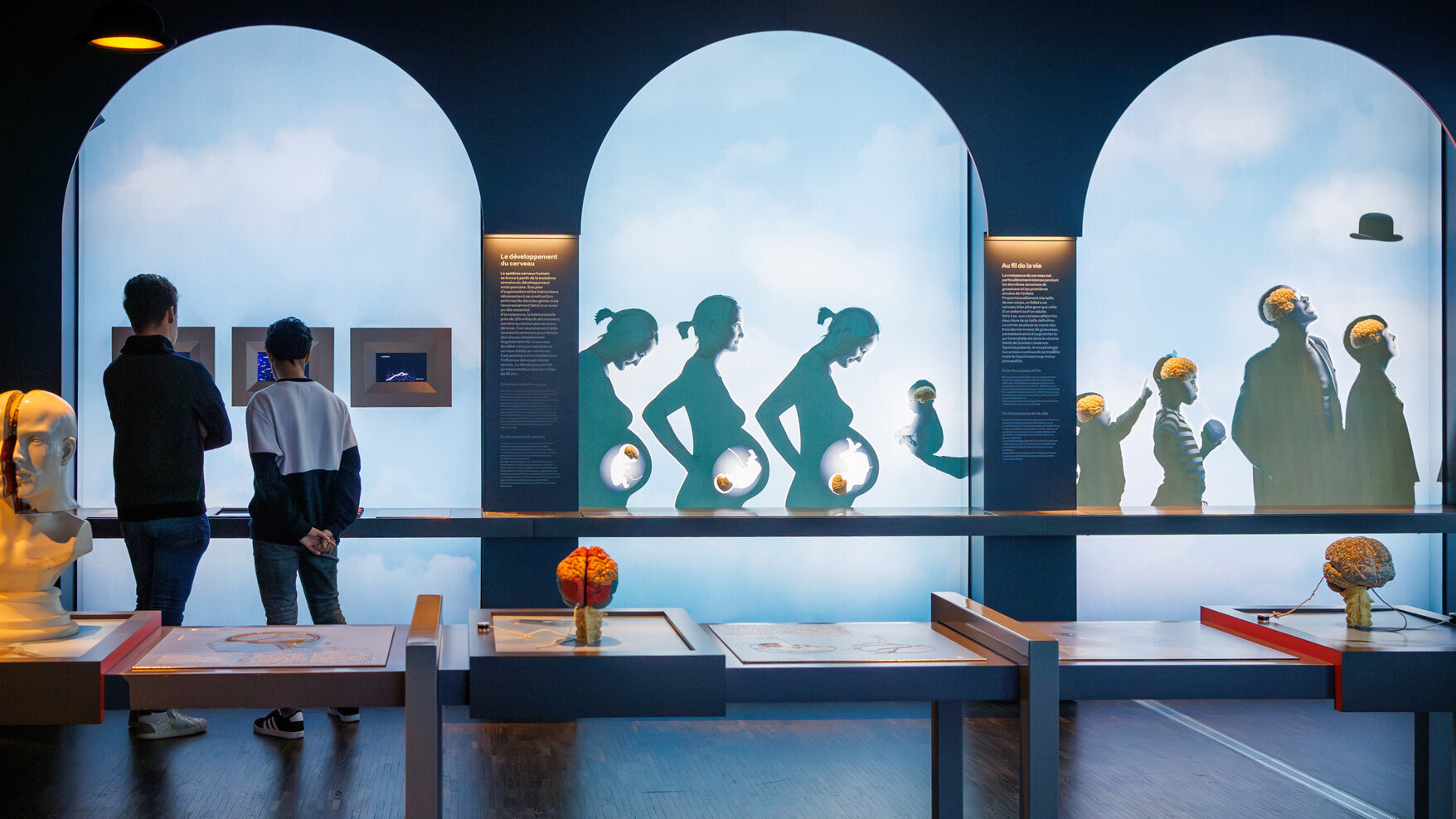
© A. Robin / EPPDCSI What's inside our heads?
What makes up the brain? What are the stages in its development? What are its basic components? Which cells does it contain? What relations do they maintain? How do they communicate?
In this first section, visitors get to know more about this extraordinary organ, dive into the microscopic world of neurons and glial cells and explore the ways our brains share common structures and functions yet remain uniquely individual. -
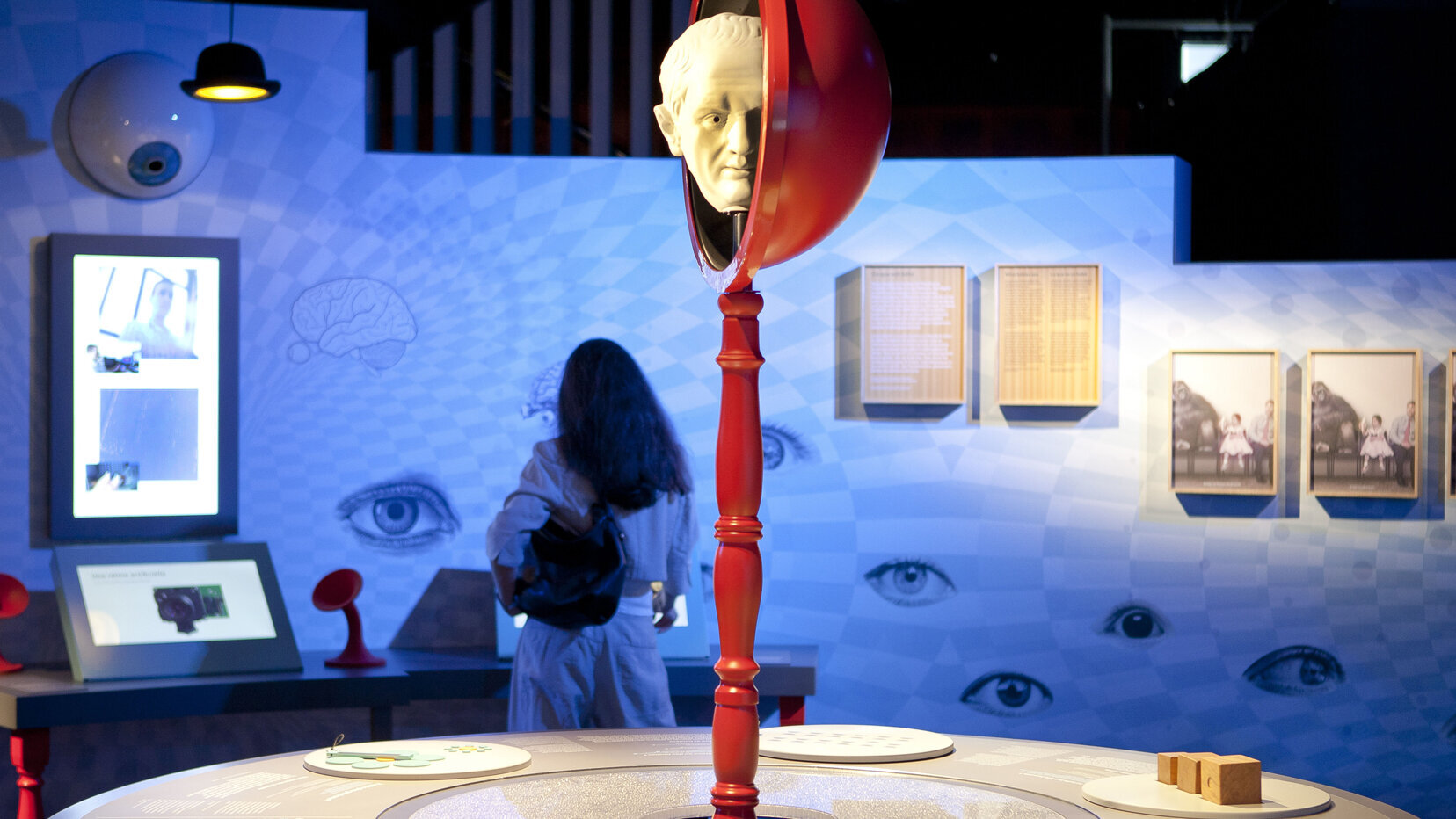
© EPPDCSI The non-stop brain
In this second part of the exhibition, discover a four-part insight into the wonderful capabilities of the brain: Made for learning, See with your brain, Decide to act and In all consciousness. How much do you know? Play our lab-inspired games to find out!
Put your neurons to the test and discover how brain plasticity helps us adapt, how visual information is processed, the role of emotions in decisions and the (mostly) unconscious workings of the brain — plus much more! -
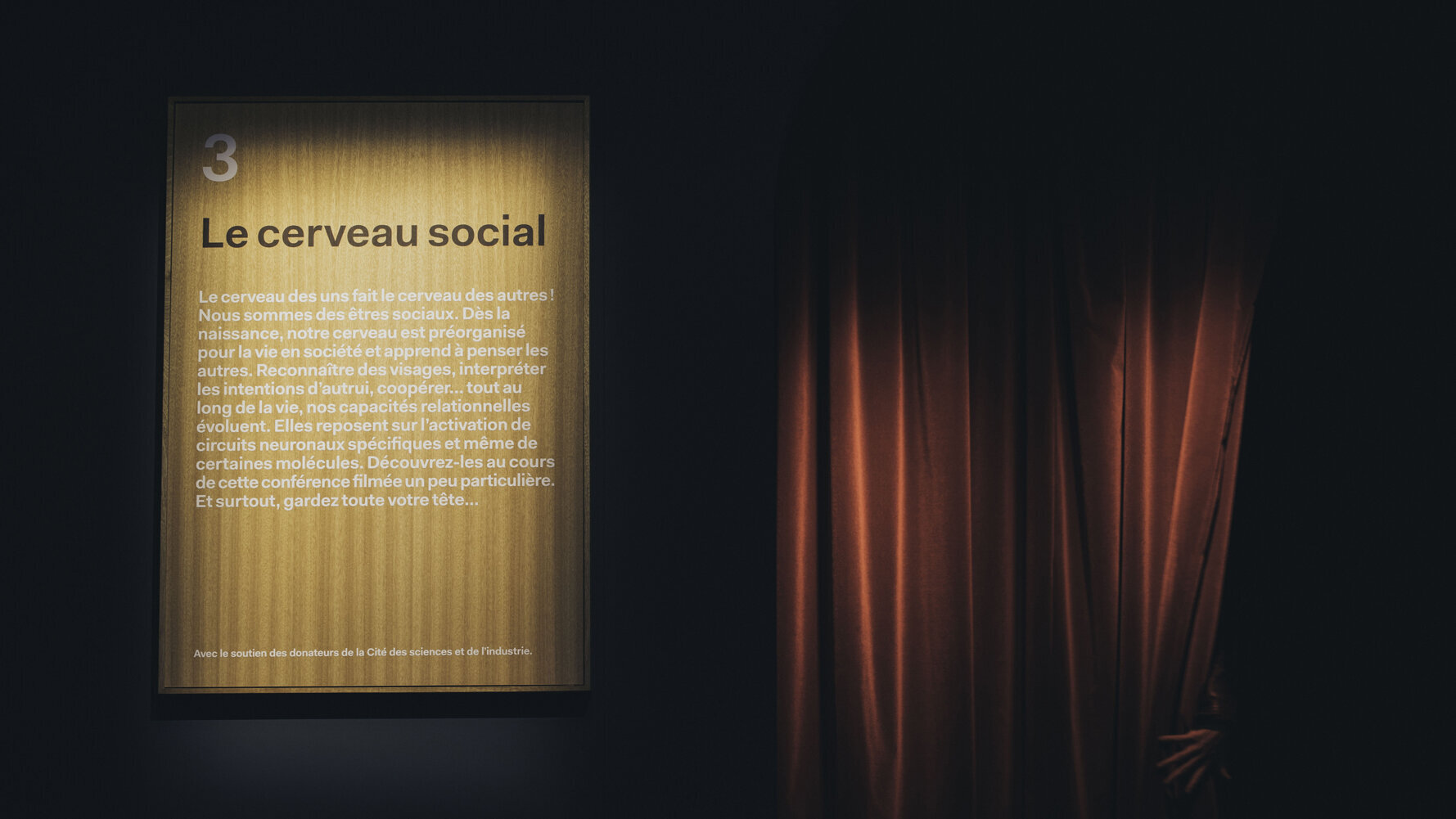
© A. Iffrig / EPPDCSI The social brain
In this third and final section, a playful, unconventional filmed talk takes a serious look at what happens inside our brains when we interact with other people.
From the moment we’re born, our brains are wired for connection and learn to think about others. As we grow older, our social skills evolve too. Discover how abilities like recognising faces, reading intentions and cooperating all depend on specific neural circuits in the brain.