The exhibition
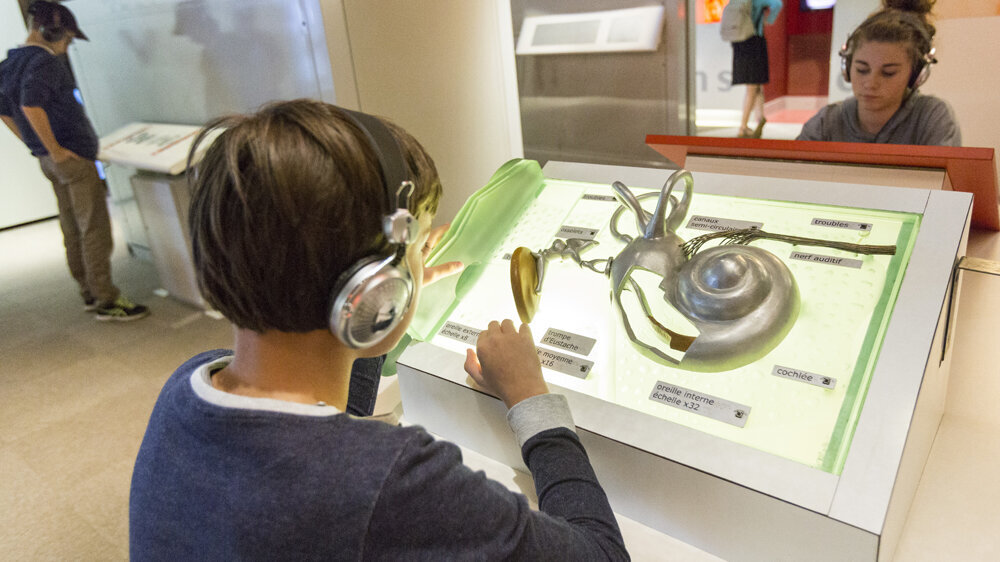
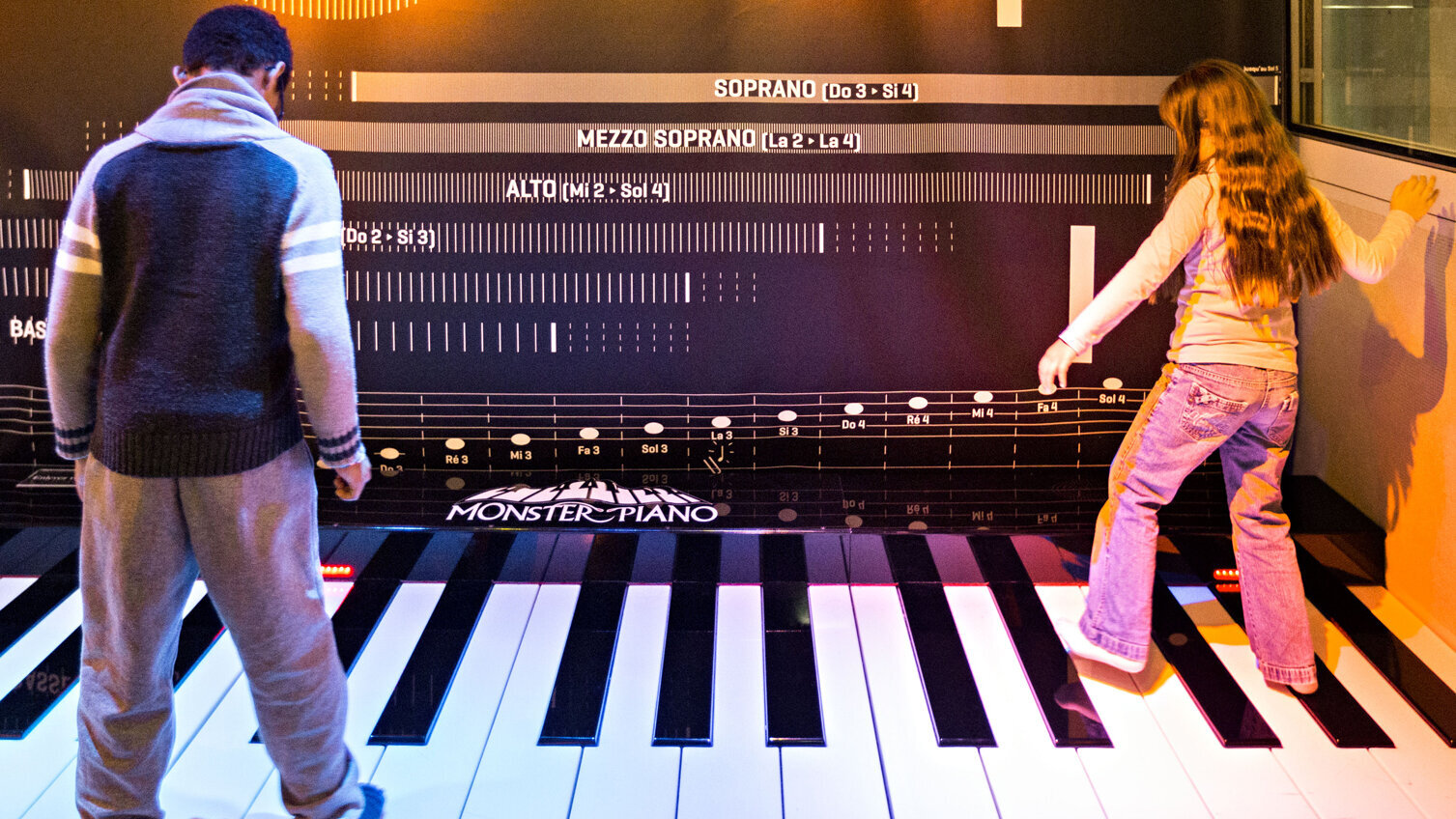
The exhibition’s minimalist design creates an intimate space for deep auditory immersion, inviting visitors to explore the duality of sound communication: speaking and listening. Through hands-on installations, explore the richness of languages, feel the physicality of sounds, discover unexpected acoustic effects, test your ability to recognise tones and even play a standing piano.
Practical information
-
€15 | €12 | Our prices
-
From age 11
-
Bilingual exhibition (French, English)
-
The Cité is open from Tuesday to Saturday 10.00 am - 6.00 pm and 10.00 am - 7.00 pm on Sunday.
Accessibility
- Accessible to visually impaired visitors
- Accessible to visitors with reduced mobility
- Accessible to deaf and hard of hearing visitors
- Accessible to cognitively impaired visitors
Plan your visit
This exhibition area can be accessed by lift (level 1). Small pushchairs are allowed inside the museum.
-
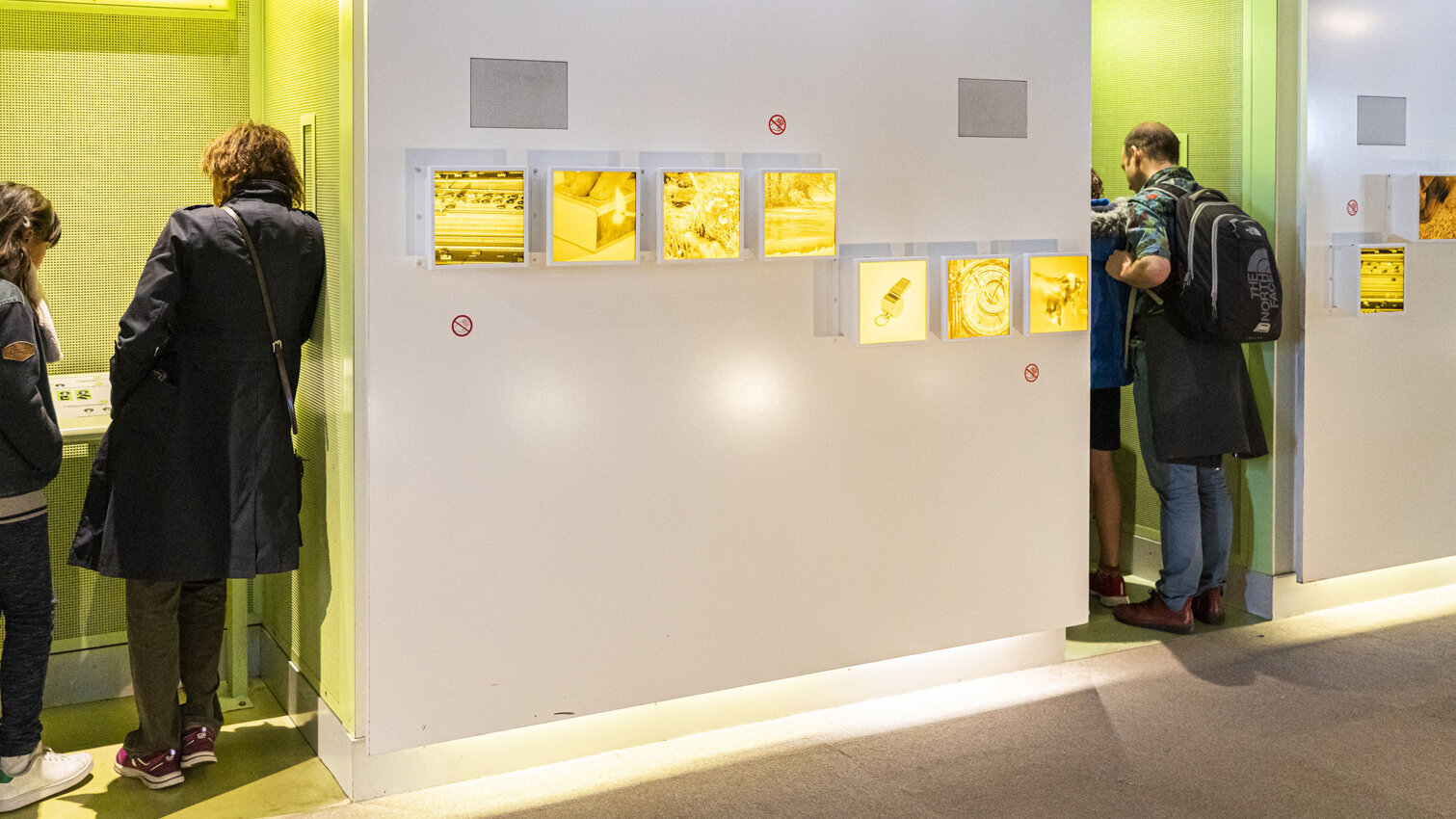
© E. Laurent / EPPDCSI Acoustic environment
Your journey into the soundscape begins with listening. Time to tune in!
- Voices on Stage: A 20-minute film, created from archival footage, features legendary voices from the 1950s to today, projected on a large screen.
- Sound Collection: Enter an alcove to experience a selection of sounds, some rare or imperceptible, transformed by technology or crafted through sound design.
-
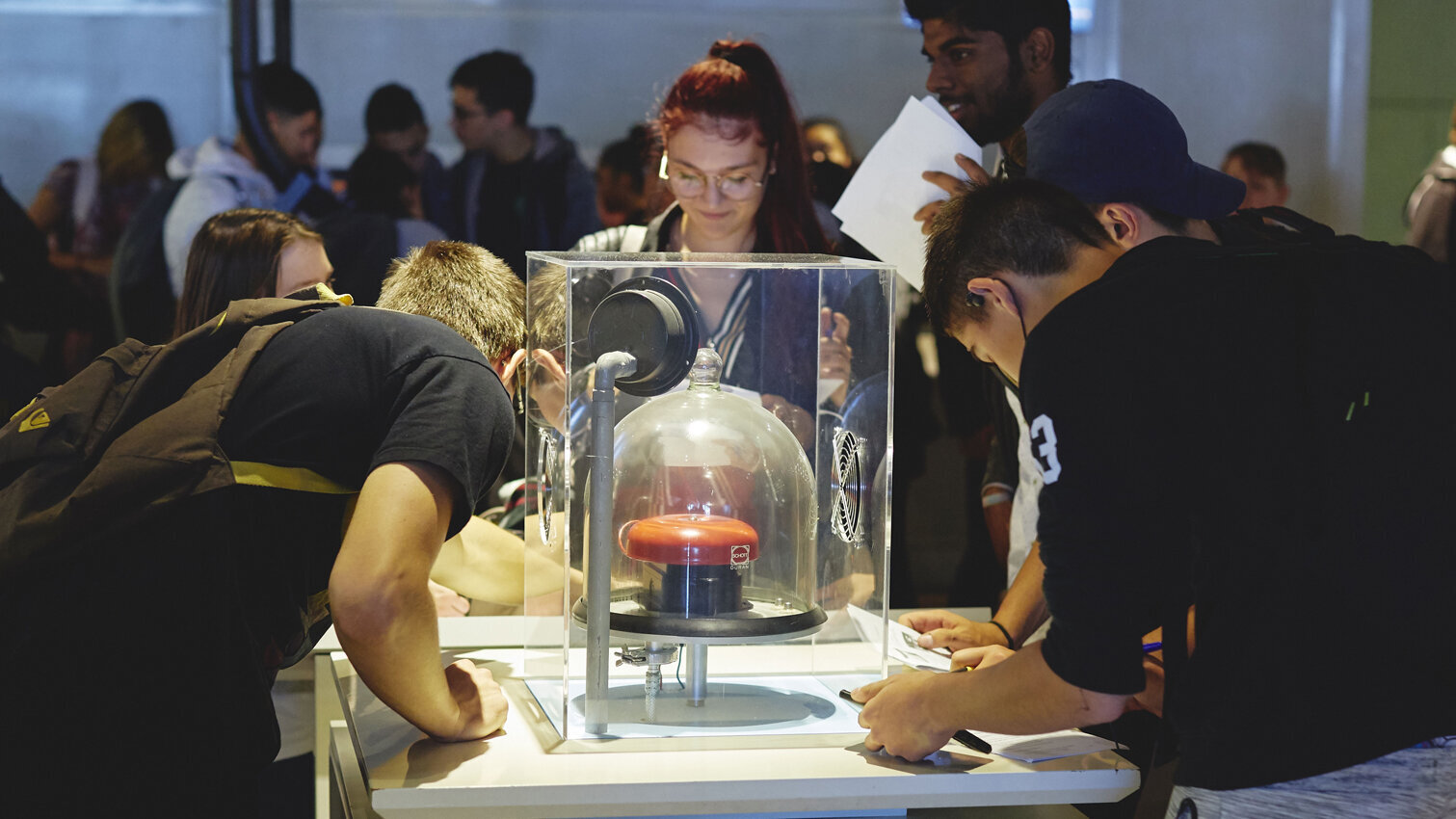
© R. Thenadey / EPPDCSI The physics of sound
Engage with interactive devices to explore the essence of sound: its propagation, wavelength, speed, resonance and intensity.
How does sound behave in different environments? Is it absorbed or reflected? Dive deeper into the daily challenges faced by acousticians, especially in the quest to reduce noise pollution.
-
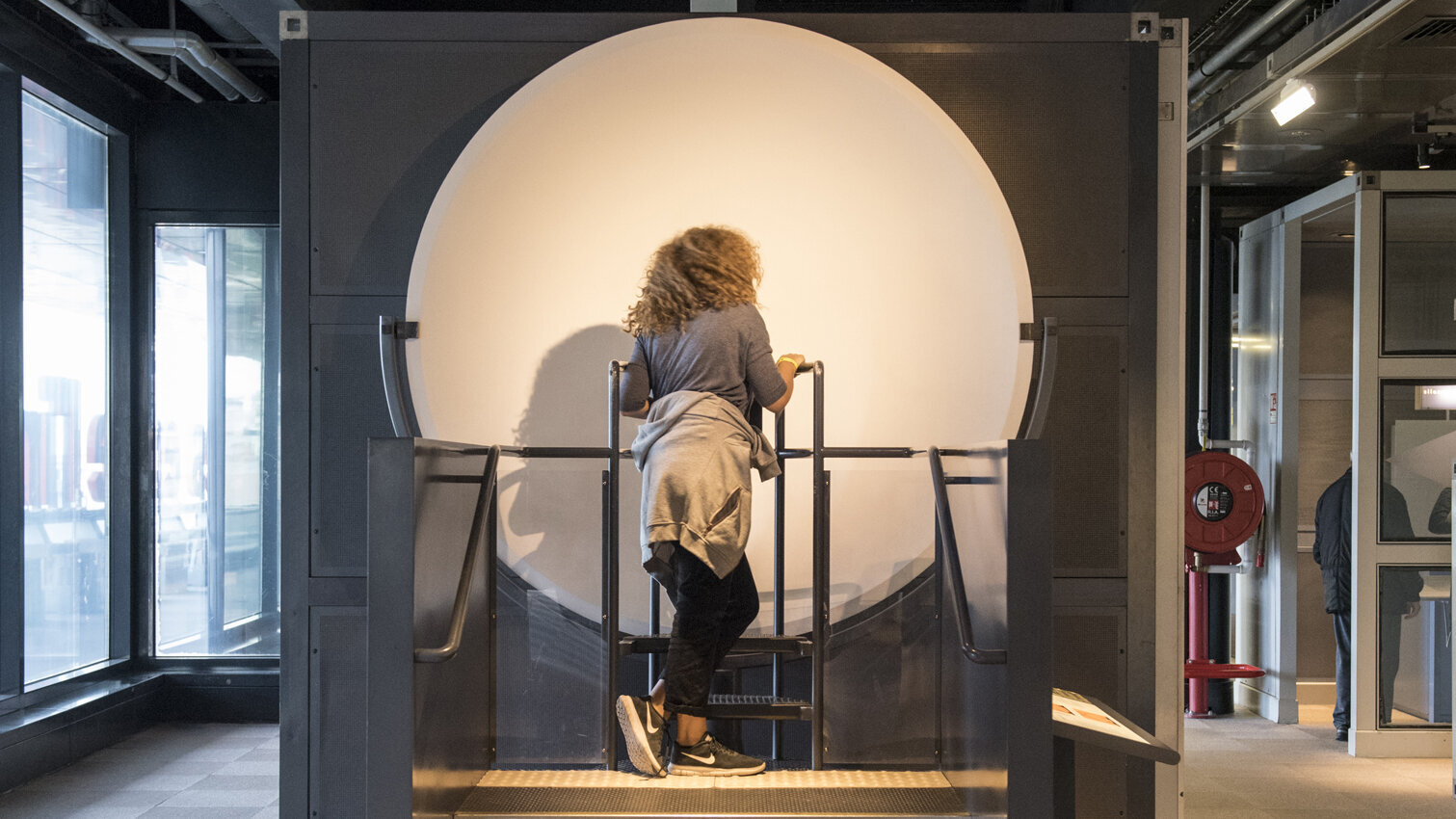
© N. Krief / EPPDCSI Long-distance communication
Discover how living beings use sound to bridge vast distances and uncover their secrets!
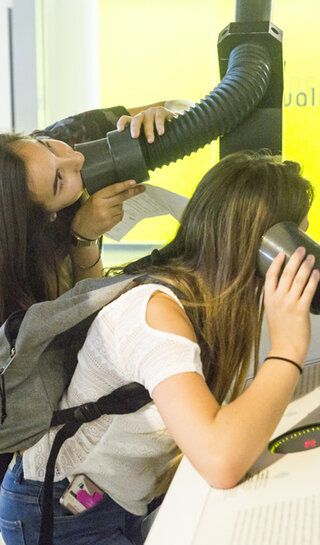
- Sound Parabola: Whisper across an astonishing 17 metres and hear every word.
- 10,000 Ways to Communicate: Delve into the fascinating world of animal and human communication and explore how sound is recorded, transmitted, broadcast and preserved.
-
© Ph. Levy / EPPDCSI Speaking, hearing and musical sound
Deep dive into the science of voice, phonation and hearing, before experimenting with sounds and musical instruments unlike any other. Among the fifteen interactive exhibits, explore:
- Sounds of Languages: Listen to samples from 21 languages and test your ear with a challenge based on tonal languages, where pitch alters meaning.
- Producing Speech: Adjust lip shape, tongue position and jaw height to create different vowel sounds and see how articulation shapes speech.
- Vocal Piano: Step on the keys of a giant piano to hear notes recorded by professional singers.