

The exhibition

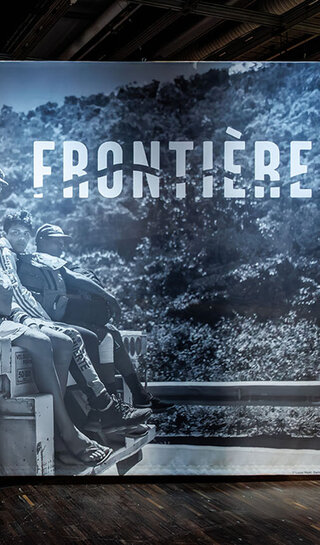
Lay out your cards to explore the diverse reality of borders. Border uses real-world examples to demonstrate how boundaries shape our societies. From sorting and control to resources and inequality, cooperation and exchange, and conflict and refuge, around ten island-exhibits explore the multifaceted nature of borders. Through diverse tools and approaches, the exhibition underscores the role of geography and field research in understanding these divides.
Border brings together scientists, anthropologists, thinkers, artists and the public to explore the boundaries, inequalities and connections that define our world. By delving into these perspectives, the exhibition immerses visitors in today’s most pressing social and political challenges, inviting reflection, emotion and a reimagining of our relationship with space, each other and the world through a one-of-a-kind experience.
Practical information
-
€15 | €12 | Our prices
-
From age 12
-
Trilingual exhibition (French, English, Spanish)
-
Open 10 am - 6 pm until Saturday 17 October. Open 10 am - 7 pm from Sunday 18 October to Sunday 1st November.
Accessibility
- Accessible to visitors with reduced mobility
- Accessible to deaf and hard of hearing visitors
Plan your visit
This exhibition area can be accessed by lift (level 1). Small pushchairs are allowed inside the museum.
-
© A. Robin / EPPDCSI Two borders in the Americas
Your world tour begins at the US–Mexico border. A video-mapping narrative projected onto a scale model introduces this paradoxical space. Stretching over 3,145 km and highly symbolic, this border is crossed by vast economic flows yet remains selective when it comes to the movement of people.
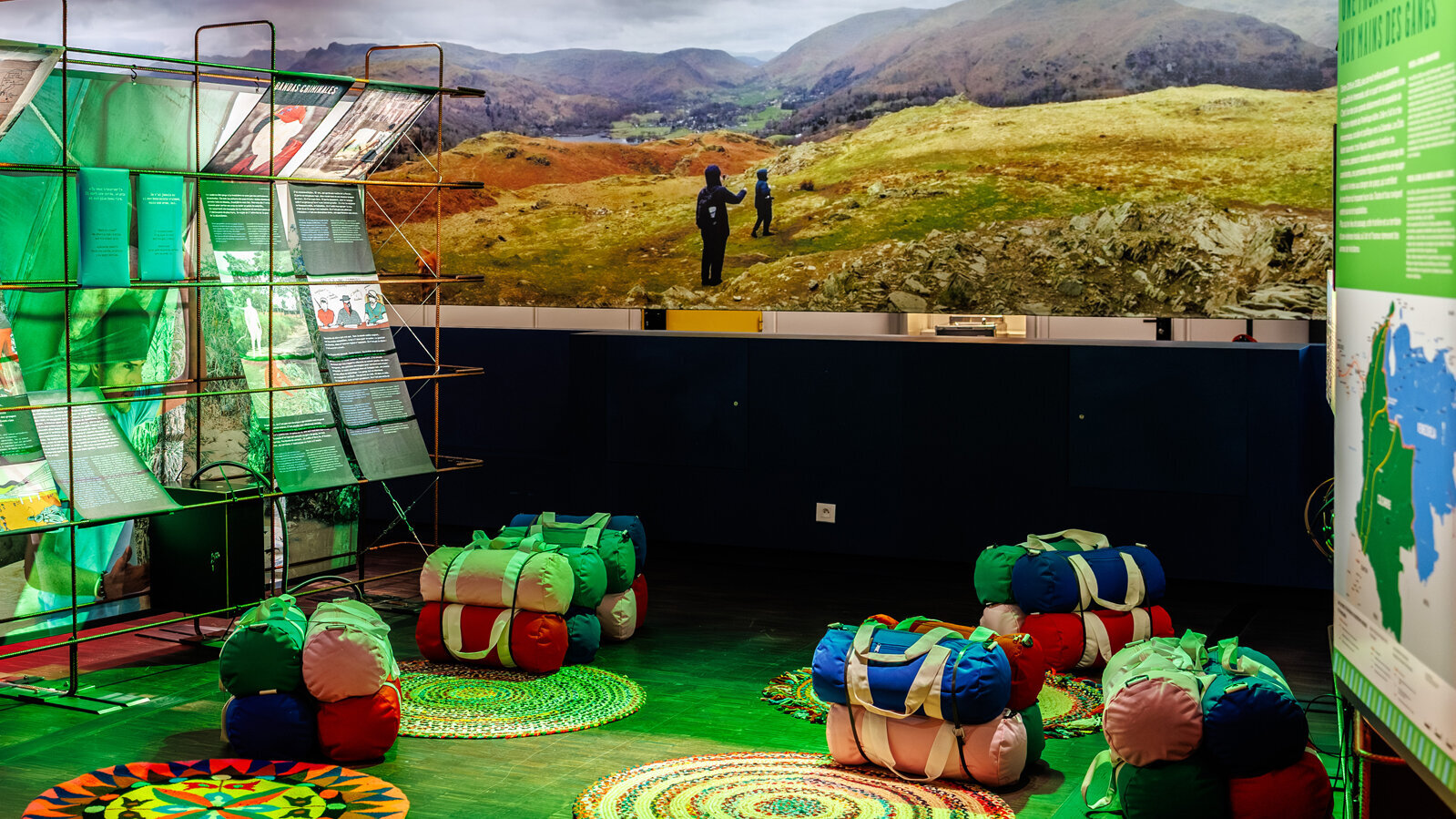
In the next section, a film and graphic installation transport you to South America, where the Venezuelan population is fleeing to Colombia. At this border, gangs impose their own rules. In contrast, art and humour stand in opposition to the extreme violence that prevails there. -
© F. Jellaoui / EPPDCSI Europe, heads or tails
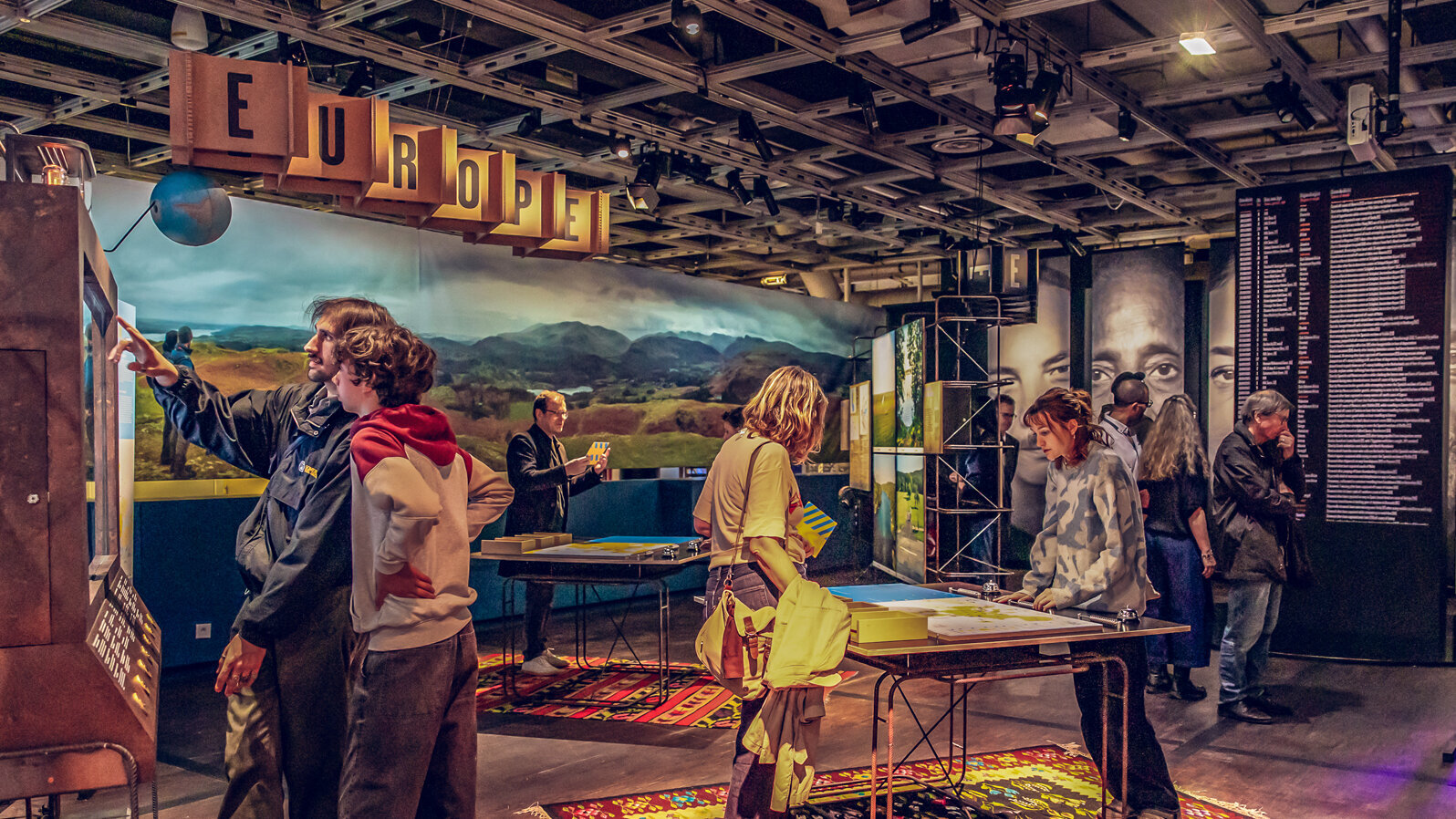
European Union (EU), Schengen Area, eurozone: Europe is a territory of transnational cooperation, and a peace project for 80 years. Test your knowledge, discover the phenomenon of ghost borders and observe the evolution of Europe’s borders since the 19th century.
European borders are also among the deadliest in the world, as illustrated by an imposing stele and a geographic visualisation display. Take a closer look at the case of Blessing Matthew: like a detective, uncover the troubling circumstances surrounding her death. -
© A. Robin / EPPDCSI Invisible borders
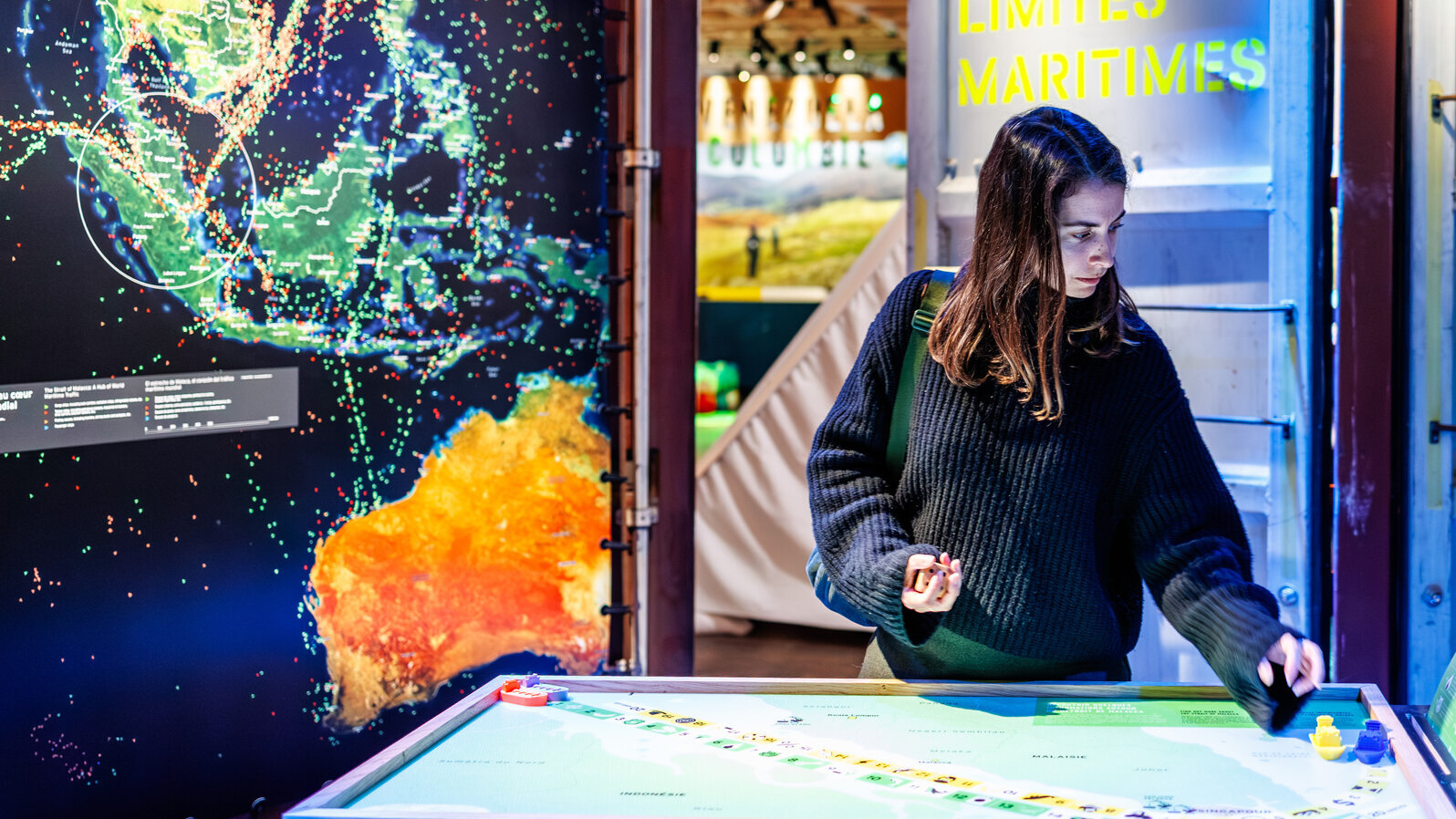
Borders also extend into the digital and maritime domains. Those of cyberspace are revealed through a scale model and map. Simulate how information circulating on the Internet can be diverted, controlled or blocked in certain countries.
What about the seas and oceans, coveted for their resources? Discover how maritime boundaries are defined through a multimedia display. Play a snakes-and-ladders-style game to grasp the economic stakes surrounding the Strait of Malacca. Learn about sea nomads and their disrupted way of life. -
© A. Robin / EPPDCSI North Korea–South Korea: the world’s most heavily militarised demilitarised zone
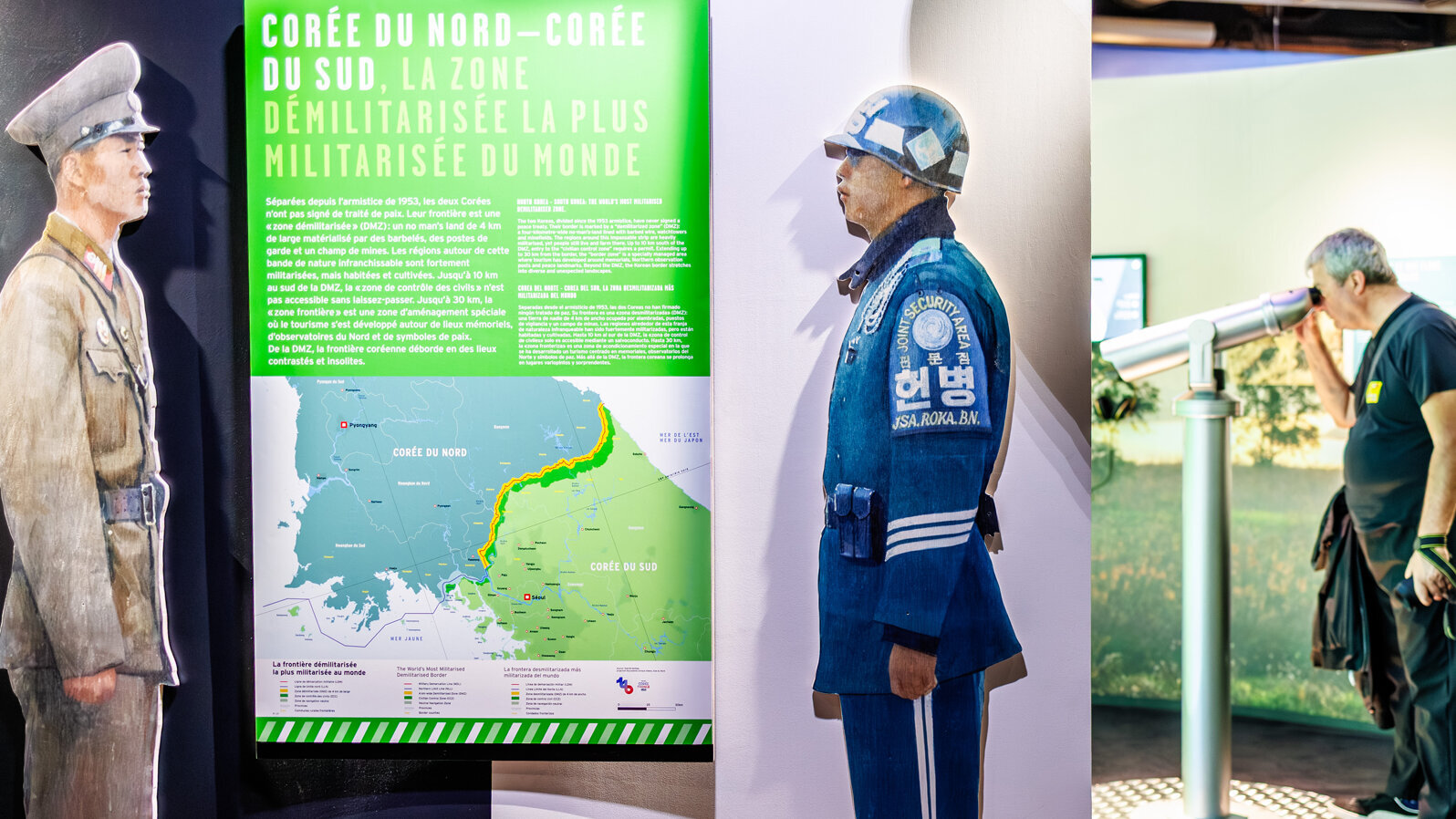
To understand the current climate of conflict, watch a film tracing the history of the border dividing the two states. Then, through sounds, images and videos captured by a researcher, be drawn into the atmosphere of this extraordinary place. Around the barbed wire of this impassable Demilitarised Zone (DMZ) lie no-go areas, military bases and installations; cultivated and inhabited regions accessible only by permit; and zones where tourism has flourished.
-
© A. Robin / EPPDCSI Georgia–Russia: a threatening border
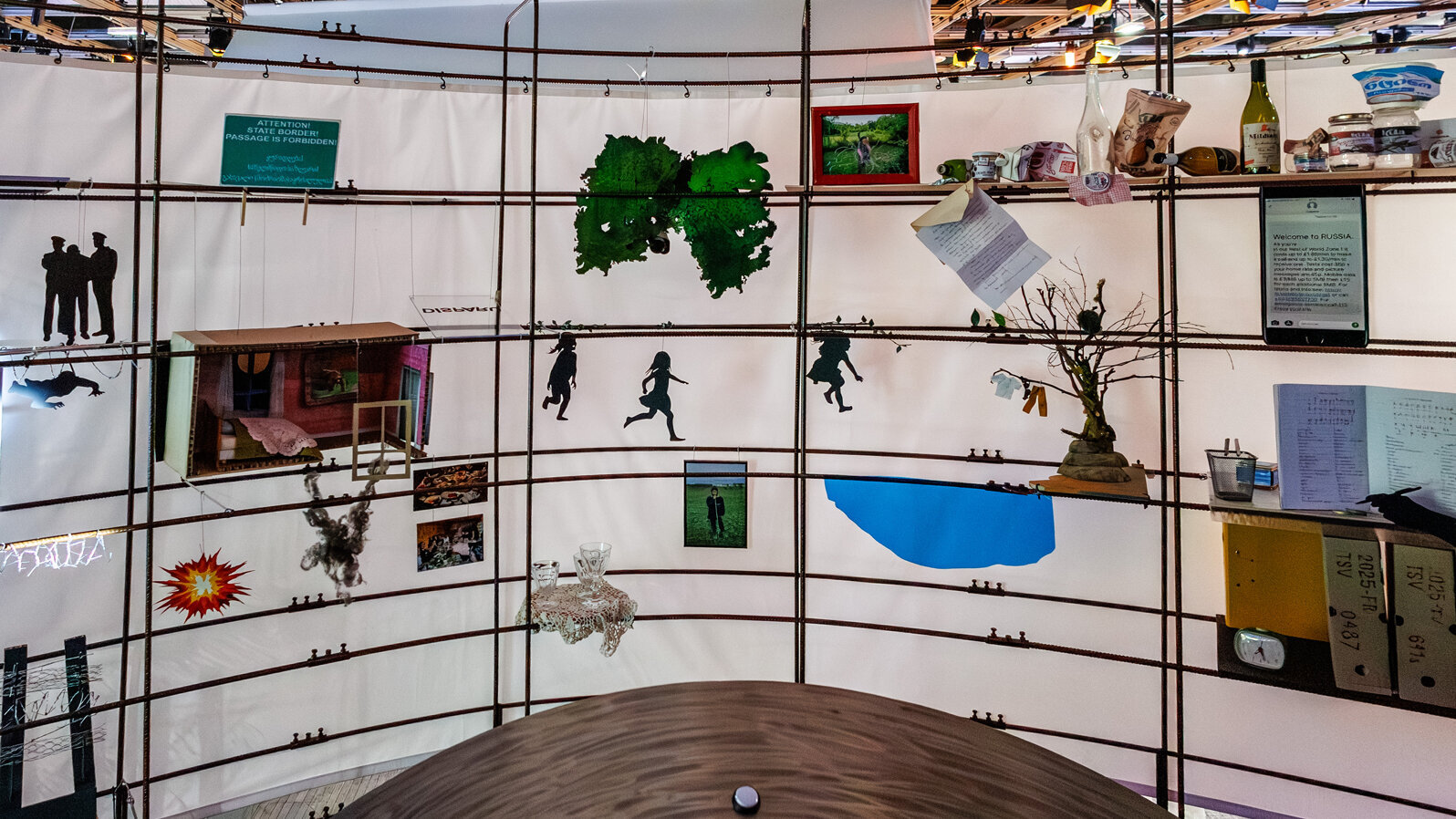
Abkhazia and South Ossetia, regions within Georgia, now find themselves under Russian control. Through a narrative featuring three characters and brought to life by illuminated object theatre, discover this singular border, one that can shift overnight. Immerse yourself in the daily life of the Georgian population, who face the constant threat of having their nationality changed or being abducted by Russian forces.
-
© A. Robin / EPPDCSI Two borders in Africa
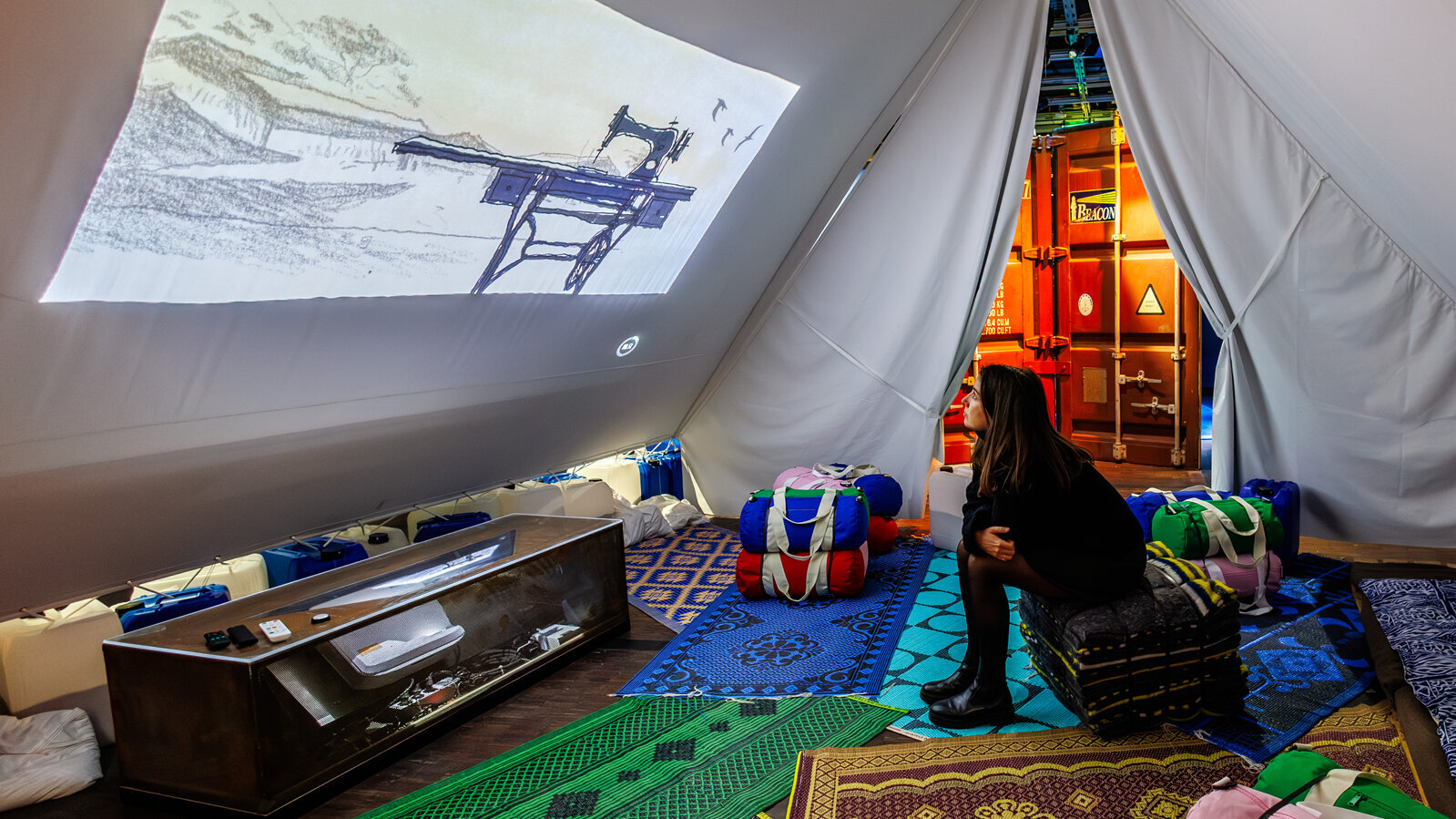
Lift the curtain and the veil on the underside of a humanitarian border: that between Cameroon and the Central African Republic. A film screened inside a tent depicts the paradox of temporary refugee camps that endure indefinitely.
Continue your journey to the Sahel and the Sahara, deserts criss-crossed by walls of sand. A film and photographs document the border between Niger and Algeria, where artisanal gold mining is both a vital resource and a considerable human challenge.