

The exhibition

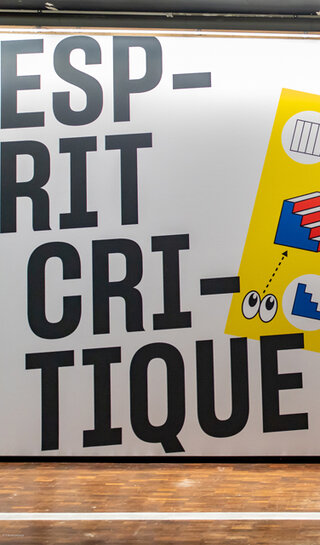
In Critical thinking, learn to verify information, unmask preconceived ideas and sharpen your vigilance. The exhibition offers a genuine playground for assessing how you behave when faced with everyday situations.
Fitted with a connected wristband, wander freely through a city: pop into the corner shop, the town hall, the newsstand. Themed spaces offer tests inspired by research in behavioural and social psychology, cognitive science and sociology. Along the way, collect badges, decode your responses and compare them with those of other visitors.
As you leave the city, take stock of your journey against five criteria: the ability to calibrate your confidence, to draw on collective input, to process information, to resist cognitive biases and to withhold judgement when you do not know. But beware: nothing is set in stone. Critical thinking needs to be kept in practice.
The exhibition Critical thinking is co-produced by Cap Sciences (Bordeaux), Quai des Savoirs (Toulouse) and Universcience (Paris).
Practical information
-
€15 | €12 | Our prices
-
From age 10
-
Trilingual exhibition (French, English, Spanish)
-
10 am - 7 pm until 1st November
Accessibility
- Accessible to visually impaired visitors
- Accessible to visitors with reduced mobility
- Accessible to deaf and hard of hearing visitors
- Accessible to signing deaf visitors
Plan your visit
This exhibition area can be accessed by lift (level 2). Small pushchairs are allowed inside the museum.
-
© F. Jellaoui / EPPDCSI The art of trusting
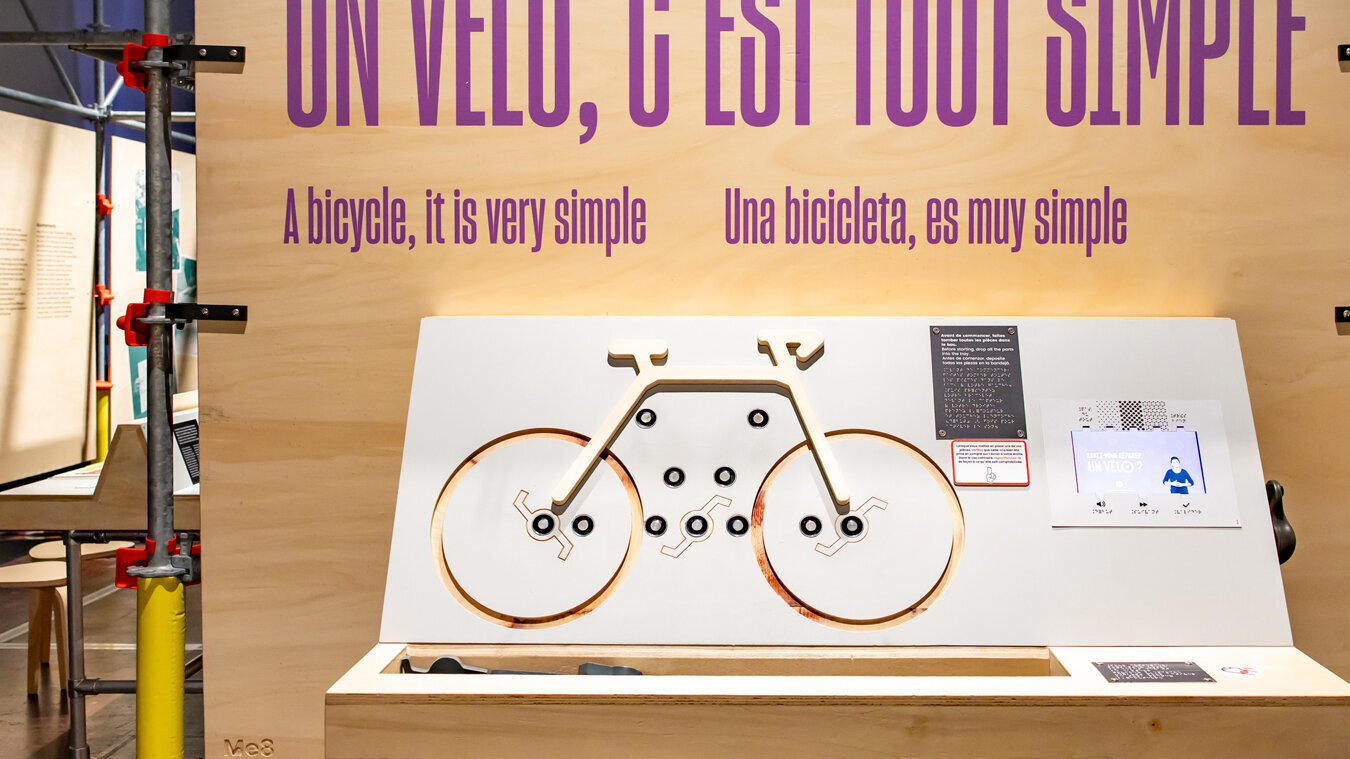
Can we rely on our intuitions? They sometimes lead us astray! The trust we have in our reasoning or in what we take for granted should be called in to question. But if too much trust can be problematic, too much doubt is equally so. Want to assess your trust level? Then subject it to the scrutiny of various tests in the Kiosk and the Town Hall…
-
© F. Jellaoui / EPPDCSI Collective argumentation
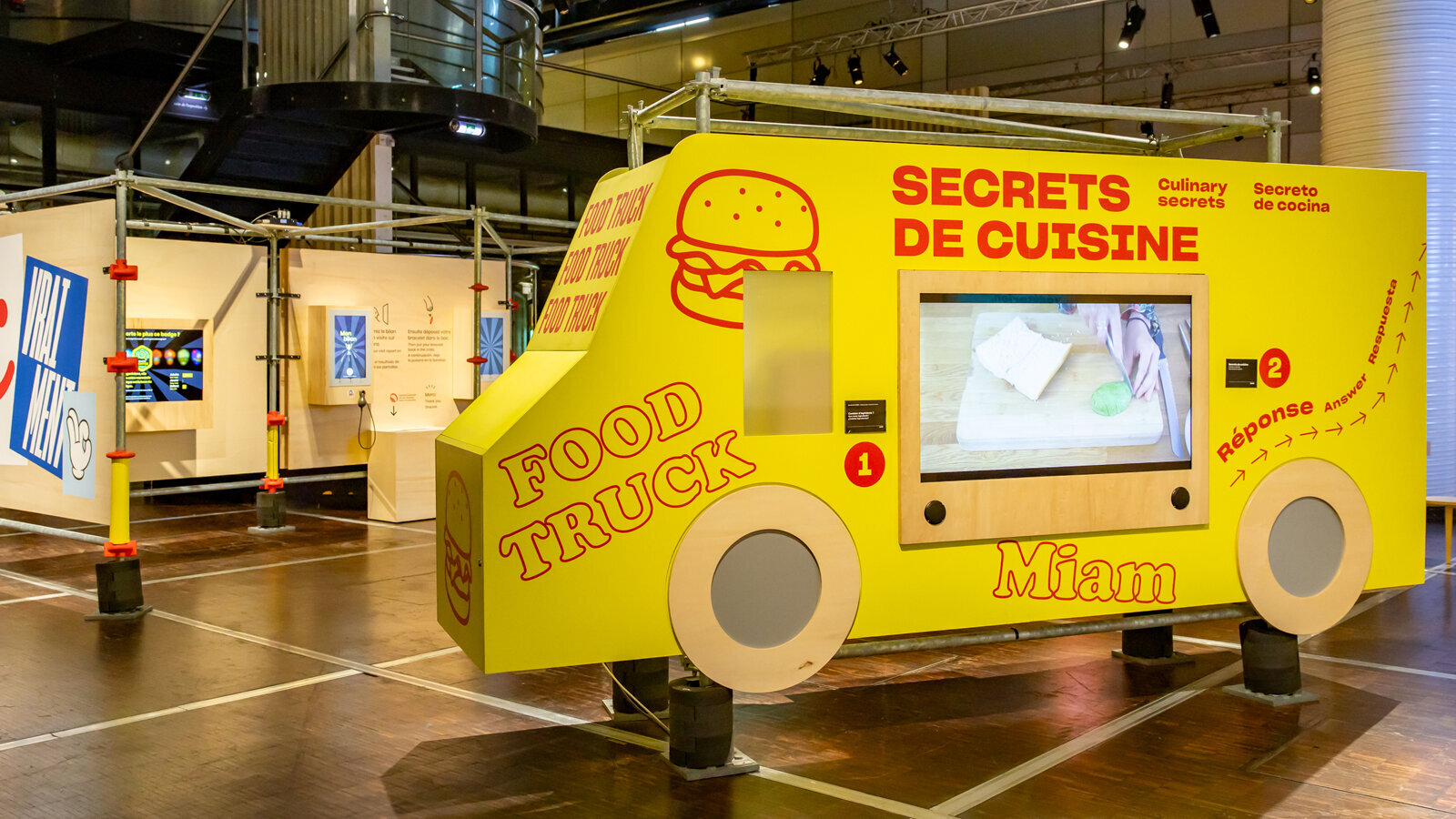
Learning to identify fallacious arguments is essential for critical thinking! In the guise of valid arguments, they lead to wrong conclusions. Spend some time in the Town Hall in order to understand various argumentative techniques, framing biases and stereotypes used in communication. Argumentation is fuelled and enriched by exchanges with our peers. So together, we reason better? Head for the Supermarket, the Health Centre or the Food Truck to check!
-
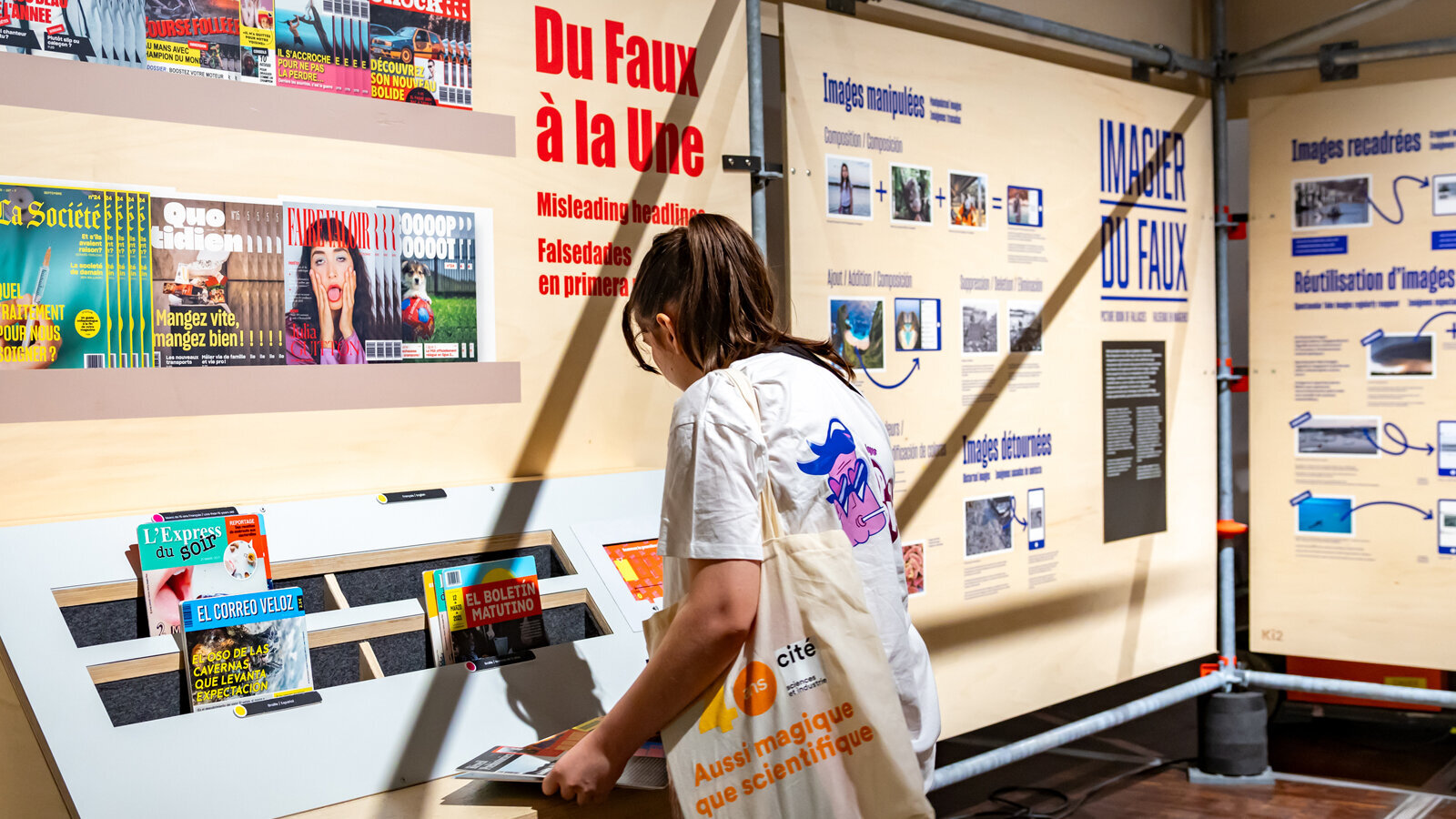
© F. Jellaoui / EPPDCSI Processing information
Assessing information quality and the trust we can put in it is a key aspect of critical thinking. And what if better understanding of the conditions under which information is disseminated and processed could be a crucial step in “kitting out” our critical thinking? Off to the Kiosk to familiarise yourself with the principles of sorting and checking information, and give thought to how best to share it.
-
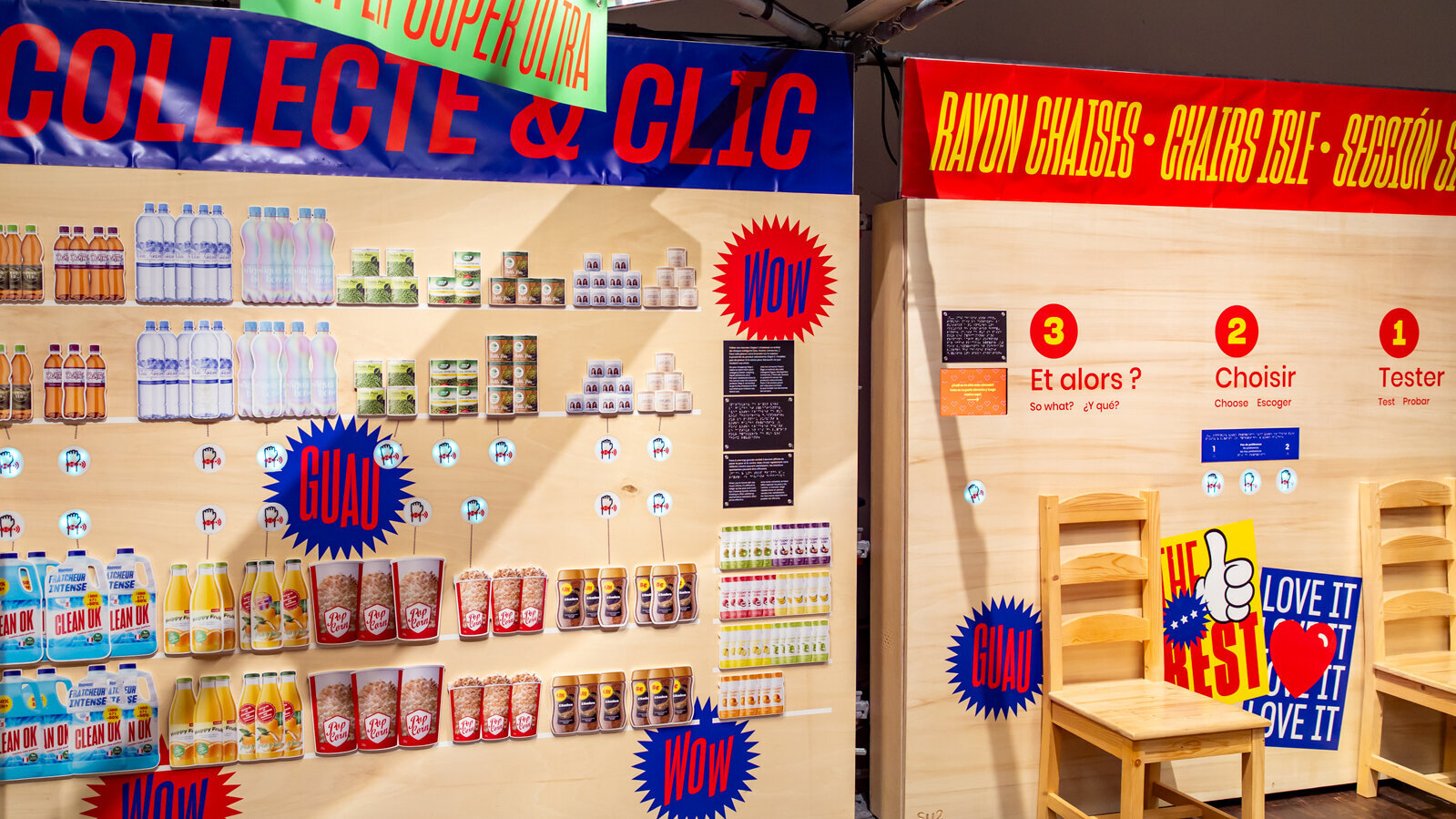
© F. Jellaoui / EPPDCSI Are we all biased?
Assessing assertions is of key importance when it comes to critical thinking. All too often, we process them spontaneously, intuitively. Such automatic thoughts can lead us astray: they’re what are known as cognitive biases. So you think it’s only other people who lack critical thinking? Take a look at the Show or nip round to the Supermarket to test your own reactions!
-
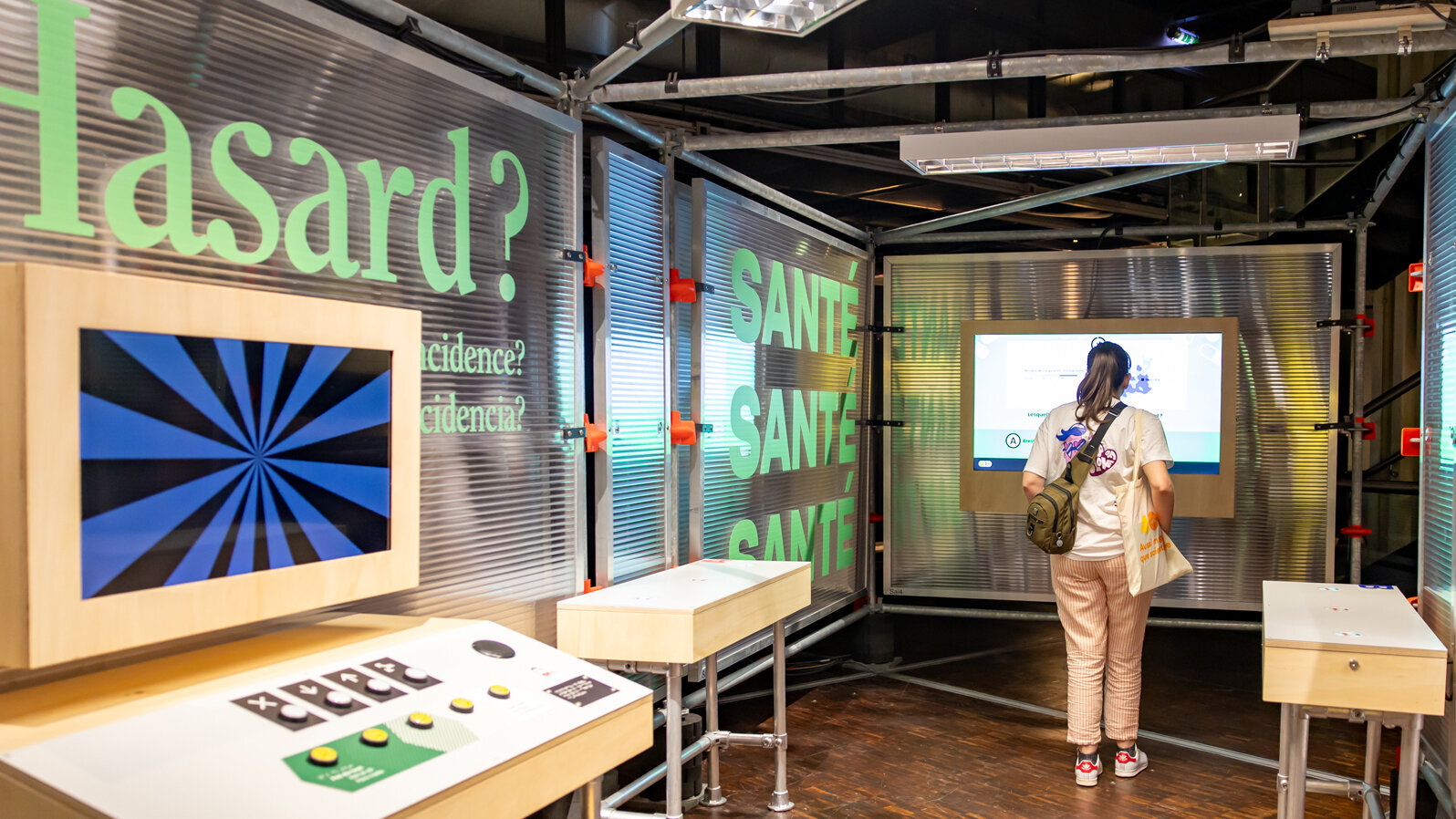
© F. Jellaoui / EPPDCSI Reserving your judgement
Errors of judgement can occur for many reasons, including too much information, not enough time to analyse it objectively, flawed memory and misperception of randomness. Confront these situations in the exhibition! The Health Centre in particular provides you with an atmosphere conducive to reflection on questions of causality versus correlation.